
Scorching Weekend Ahead - Here's Why You're Probably Wearing Your SPF All Wrong
With a scorching weekend on the way, here is what you actually need to know about SPF. Most people are applying far too little - you need six to eight teaspoons for full-body coverage - and many do not realise that UVA rays penetrate glass, meaning you are still being exposed while driving or sitting indoors near a window. Getting sun protection right is not complicated, but most of us have picked up habits that leave us significantly under-protected. Read on for exactly what to look for and how to apply it.

Silent Miscarriage: What Every Pregnant Woman Needs to Know
Silent miscarriage, also known as a missed or delayed miscarriage, is when a pregnancy stops developing but the body does not yet register the loss. No bleeding. No pain. No warning. In many cases it is discovered only at a routine scan, which is why the news can feel so completely shocking, even when the body still feels entirely pregnant. Around one in four pregnancies in the UK ends in miscarriage, and yet this particular experience is still spoken about far too rarely. I’d really like to help change that. In this piece I explain what a silent miscarriage is, why it happens, what your options are, and how to find support that actually helps.

Yes, I've Had Patients Ask Me About Hantavirus This Week. Here's What I'm Telling Them
You might have seen the headlines about hantavirus linked to a cruise ship in the Atlantic and felt that familiar knot of health anxiety tighten in your chest. I completely understand. But as an NHS GP, my job is to give you the clear, accurate picture rather than let worry fill in the gaps. So let me do exactly that.
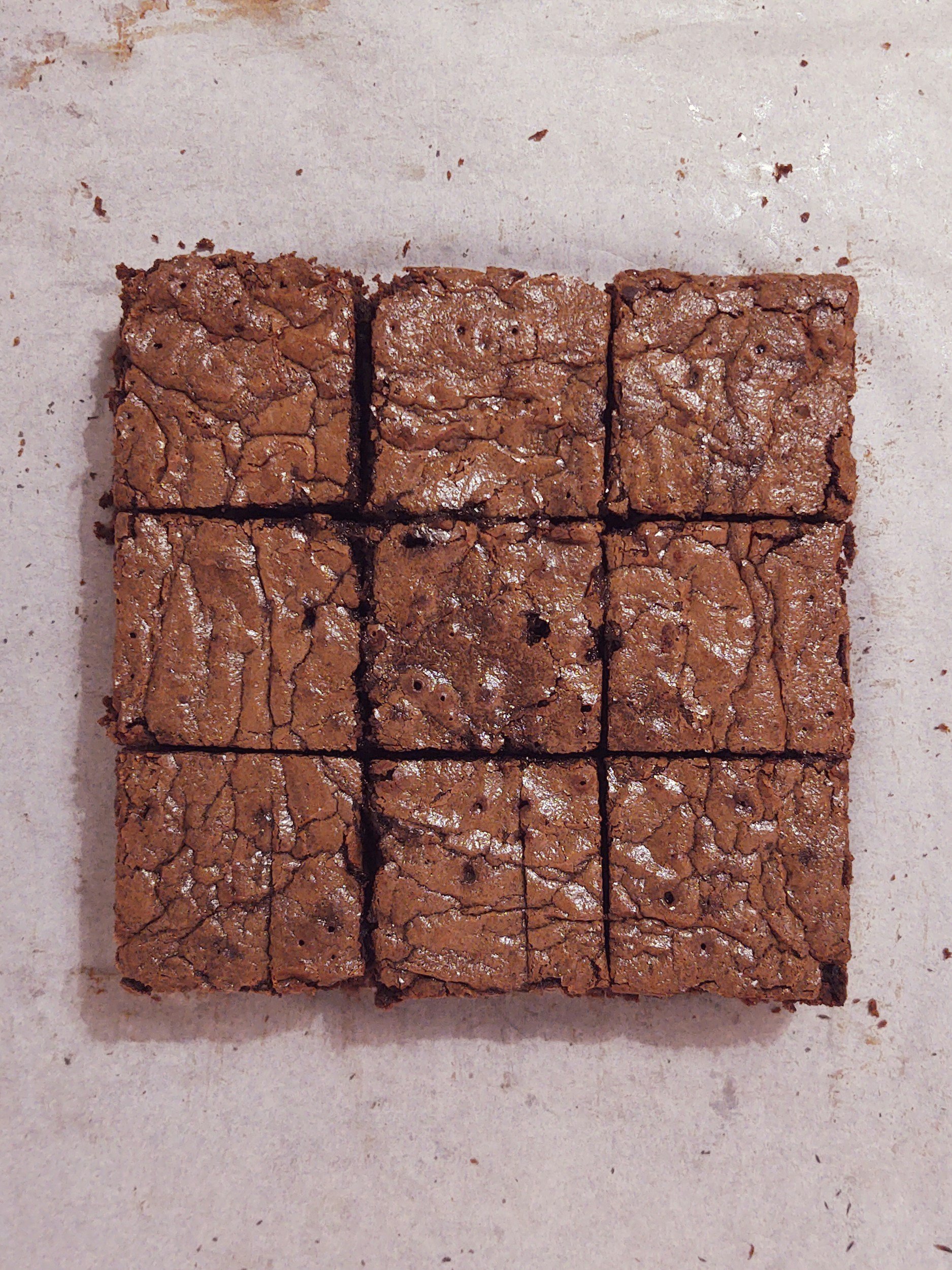
The Ultimate "Eat-the-Rainbow" Brownie: 30 Plants in One Treat!
Can a brownie actually be good for your gut? Believe it or not, yes! Meet my Nearly 30-Plant Power Brownie, the fudgy, chocolatey treat that doubles as a microbiome-boosting powerhouse. By packing nearly 30 unique plants into one recipe, you're not just satisfying your sweet tooth; you're feeding your gut the fiber and diversity it craves to thrive. No deprivation, just delicious, plant-powered nutrition.
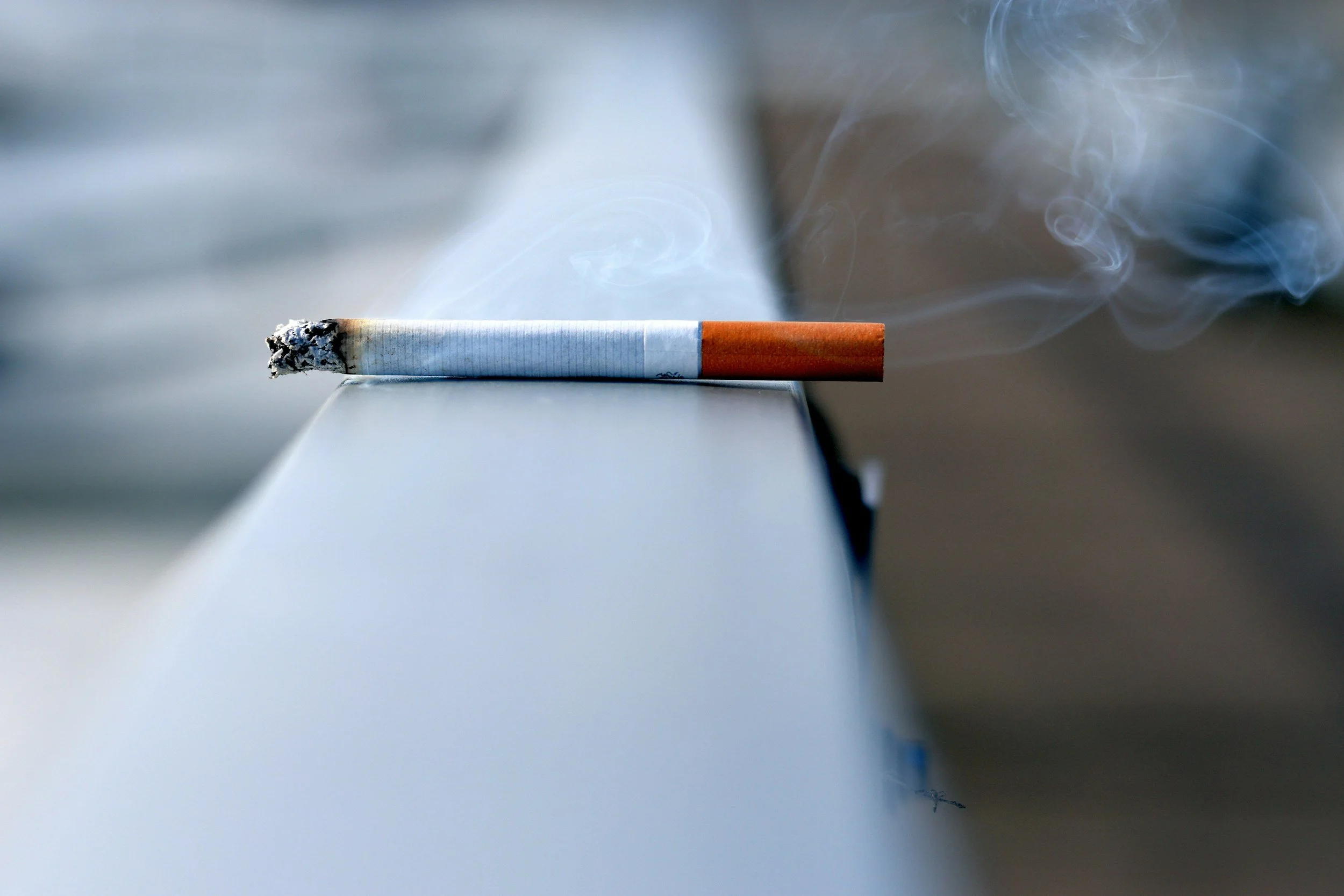
Over One Million People in Britain Quit Smoking Last Year. The Health Benefits Start Faster Than You Think
Smoking rates in the UK are at their lowest ever recorded. A million people stopped last year alone. The country is changing its relationship with cigarettes, and the science on what happens when you quit is more compelling than most people realise.
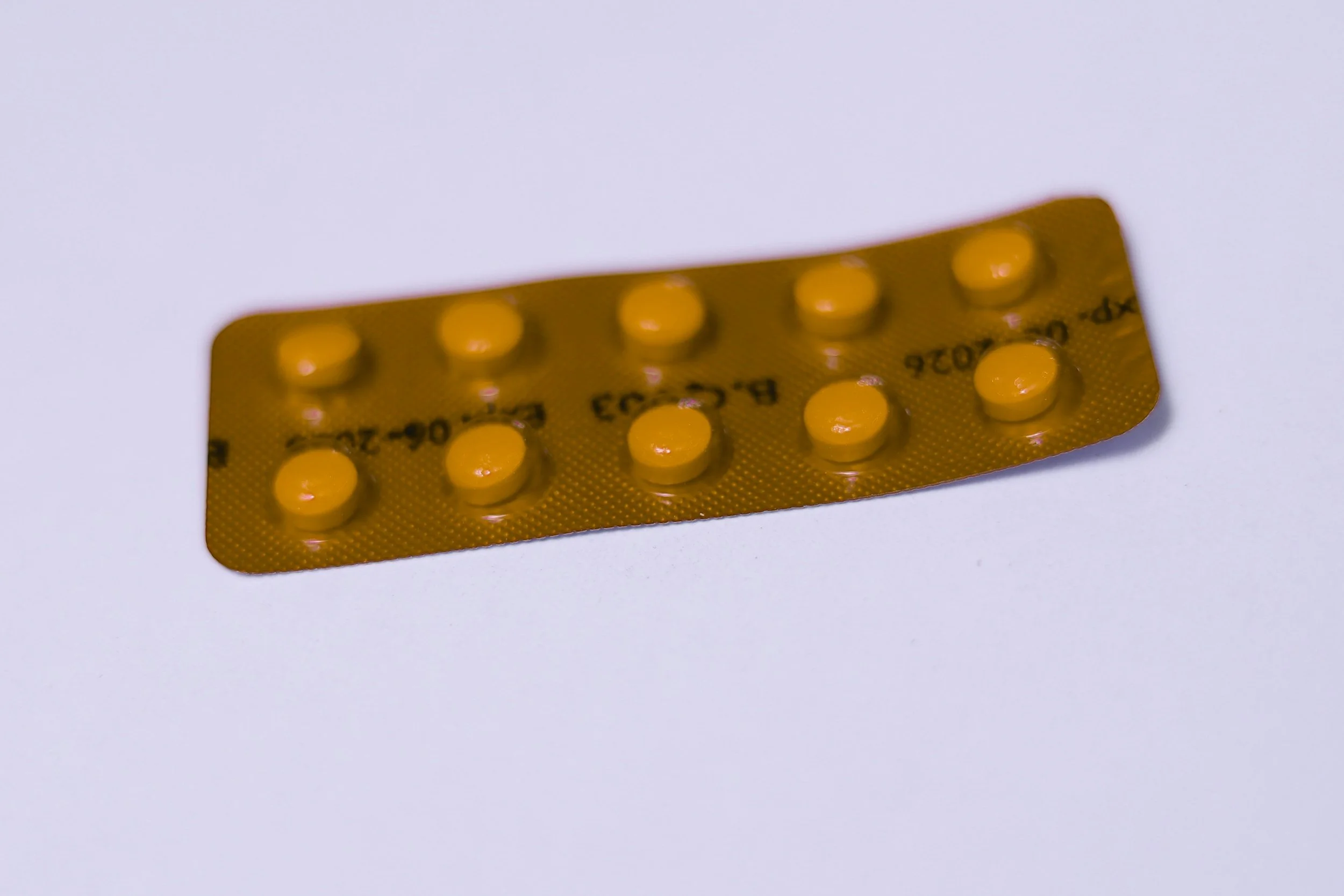
New Statin Research Busts the Side Effect Myths: What You Need to Know
New research on statins is starting to cut through a lot of the fear and misinformation I hear in clinic. For years, statins have been the backbone of heart‑disease prevention, yet many people are understandably worried about side effects, especially muscle pain, memory problems and low mood. A major analysis published in early 2025 pooled data from over 150,000 people and found no meaningful increase in many of the symptoms most often blamed on statins, including memory loss, depression, sleep disturbance, weight gain and sexual dysfunction. Confirmed statin‑related muscle problems causing people to stop treatment remained uncommon, at around 1% or less in trials, and serious liver disease was very rare. At the same time, the evidence for benefit is still strong: lowering LDL cholesterol by about 1.0 mmol/L with statins cuts the risk of major cardiovascular events by roughly 20–25% over five years. When you put those numbers together, the balance comes into much clearer focus.

Worried About Nipah Virus? What Travellers Need to Know
Nipah virus headlines might be causing travel anxiety, but here's what you actually need to know: outbreaks remain rare and contained. This guide cuts through the noise with practical advice on staying safe in South and Southeast Asia—from food precautions to recognizing symptoms—without letting fear derail your plans. Knowledge, not panic, is your best travel companion.
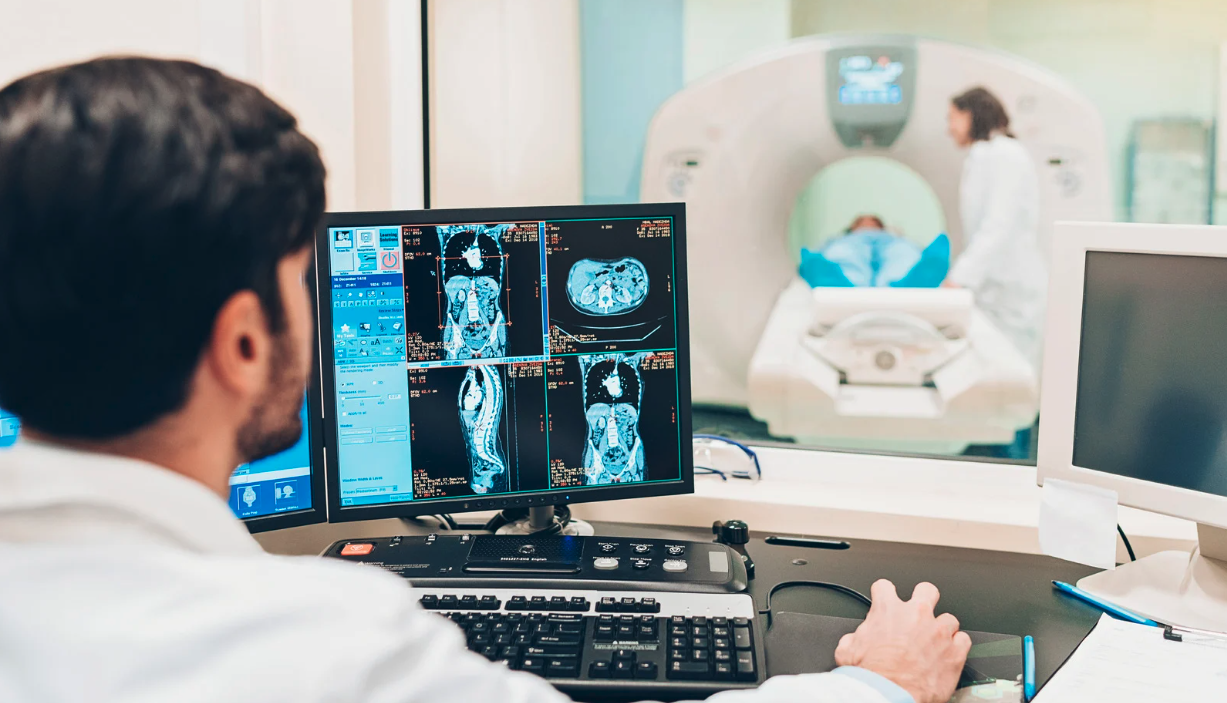
Menopause Brain Fog and Mood Swings: What New Research Really Means
Menopause is often described in terms of hot flushes and changing periods, but for many women the most unsettling symptoms are emotional and cognitive. A large new UK study led by researchers at the University of Cambridge and the University of Bristol suggests that anxiety, low mood, tiredness and sleep disruption are more common after menopause, and that women who go on to use HRT often already have more mental health symptoms before they start treatment. This does not mean HRT is “bad for the brain,” but it does underline how important it is that we talk openly about mood, memory and sleep as part of menopause care, and that any decision about HRT sits alongside support for emotional wellbeing, lifestyle and long‑term brain health.
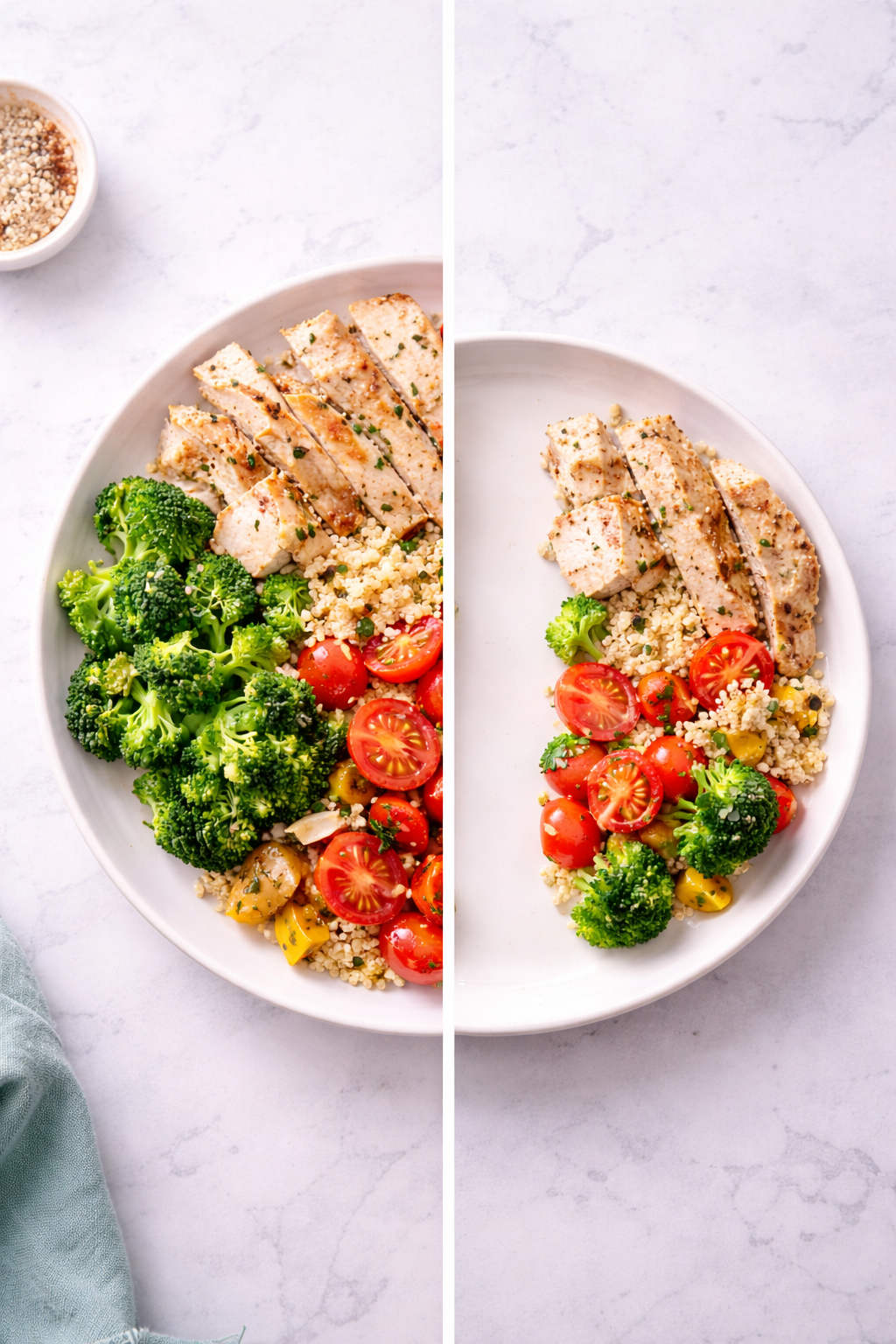
The Weight-Loss Jab Is Becoming a Pill — Why 2026 Changes Everything
The weight loss jab is becoming a pill. With the first oral GLP-1 tablet approved in the US, obesity care is entering a new phase. What does this mean for patients in 2026, and what should people in the UK understand before getting caught up in the headlines?
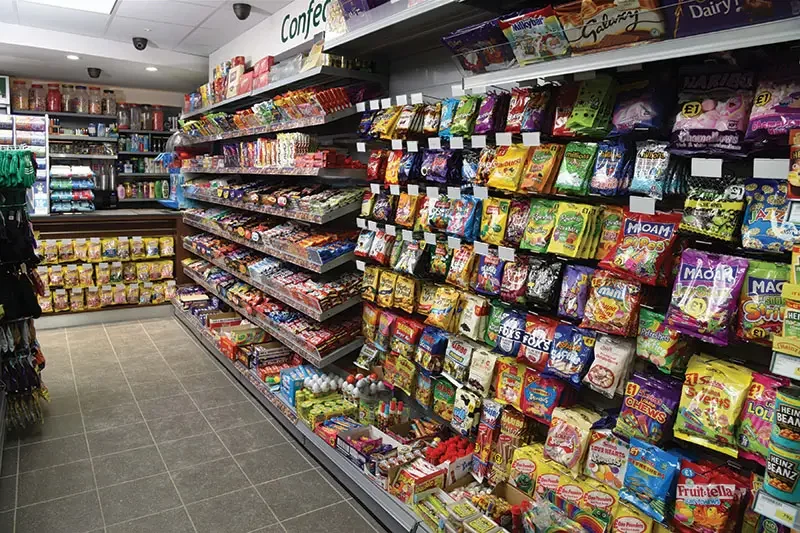
Childhood obesity: the numbers behind the headlines and getting the help families really need
Recent headlines on childhood obesity are worrying many parents, but the reality is more complex than the numbers suggest. NHS data shows rising obesity rates in young children, yet this is not about blame or failure. As GP Dr Sara Kayat explains, early support, simple routines and small, sustainable changes around sleep, drinks, food and movement can make a meaningful difference to a child’s long-term health.
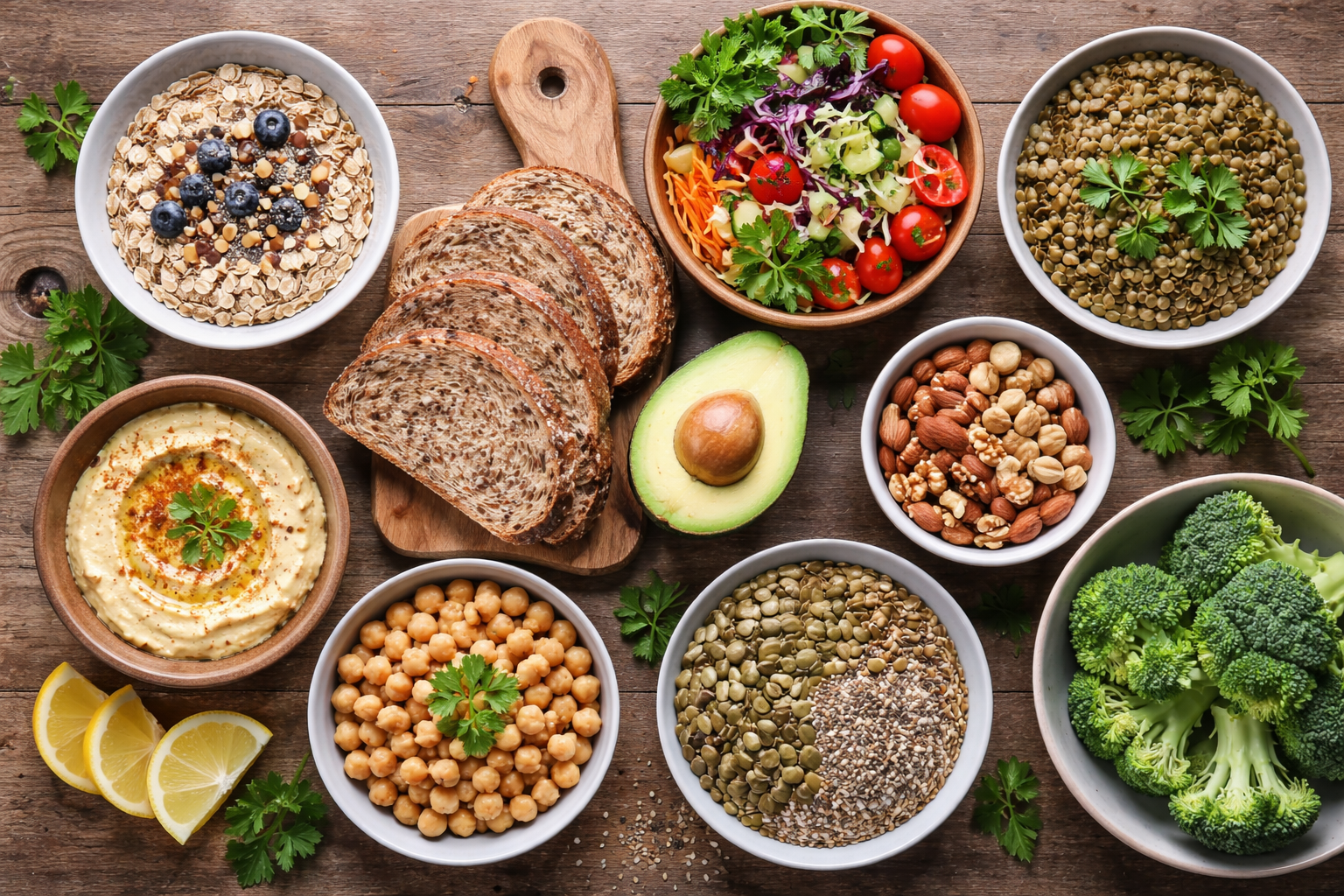
Fibre-maxxing explained: what the science actually tells us
Protein has dominated nutrition headlines for years, often framed as the missing ingredient for better health. But more recently, attention has shifted towards something far less glamorous, and arguably far more neglected.

Raising the social media age to 16: a GP and mum’s perspective
Is it time to raise the social media age to 16?
As both a UK GP and a mum, this is a question I find myself thinking about more and more.
Children’s brains are still developing, particularly the parts responsible for impulse control, emotional regulation and self esteem. At the same time, social media platforms are designed to capture attention and keep users scrolling. That imbalance matters.
In this piece, I look at the evidence from the UK and internationally, the risks around cyberbullying and mental health, and why clearer age limits could help families hold healthier boundaries together. This is not about banning technology, but about protecting children at a vulnerable stage of development.
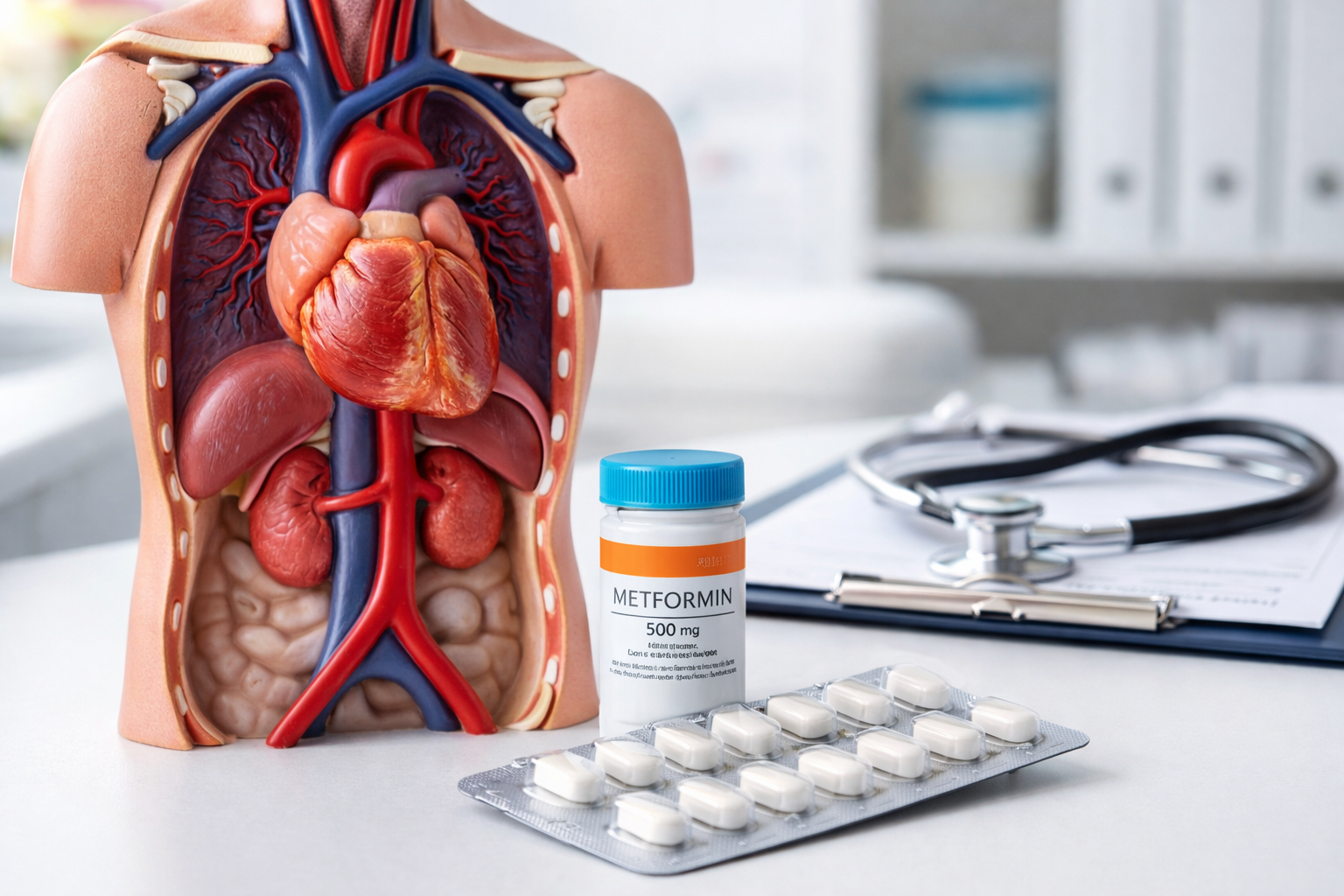
A closer look at the headlines linking diabetes drugs and aneurysm risk
Recent headlines have suggested that a commonly used diabetes drug could help slow the growth of abdominal aortic aneurysms. While this research is still at an early stage, it highlights an important area of medical interest: the role of inflammation and metabolic health in vascular disease. In this article, GP Dr Sara Kayat explains what abdominal aneurysms are, why scientists are exploring existing medicines, and what this research does and does not mean for patients right now.

Is Medicine a Future-Proof Career in the Age of AI?
Artificial intelligence is already changing how we work, and it is understandable that parents and teenagers are questioning which careers will still stand the test of time. Medicine often comes up in these conversations, not because it is easy or guaranteed, but because it relies on skills technology cannot easily replace.
In this piece, Dr Sara explores whether medicine is truly “future-proof” in the age of AI, which areas of healthcare are most likely to evolve rather than disappear, and what young people choosing GCSEs and A levels should really focus on as they plan for the future.

‘Fat jabs,’ GLP-1s and prostate cancer: what the science is really starting to show
Weight loss injections often referred to as “fat jabs”, including Ozempic, Wegovy and Mounjaro, are now appearing in headlines for a new reason. Early research is exploring whether changes in body fat and inflammation could influence how prostate cancer cells behave.
This has prompted understandable questions, but it is important to be clear about what the science actually shows. No GLP-1 medication is currently approved to prevent or treat prostate cancer, and this research is still at an early stage. Much of the work, including studies from Imperial College London, is focused on understanding how fat tissue interacts with cancer cells at a biological level rather than testing treatments in people.
What we do already know is that obesity is linked to higher levels of inflammation and poorer outcomes in several cancers, including prostate cancer. This research adds to a growing body of evidence highlighting the importance of metabolic health, while reminding us to be cautious about interpreting headlines as medical advice.

The UK’s ‘junk food’ advertising ban starts today: what it means for families (a GP explains)
From today, the UK is limiting advertising of foods high in fat, sugar and salt online and before 9pm on TV.
From a GP’s perspective, this is not about blame or banning food. It is about reducing the background pressure that shapes children’s choices and giving families a little more breathing space.

The Therapeutic Power of the Purr (Why Cats & Other Animals Help Us Feel Calm)
Spending time with pets has been shown to reduce stress, lower heart rate and support emotional wellbeing. Cats offer something unique through their low frequency purr, which is linked with feelings of relaxation. In this article, Dr Sara Kayat explains the science behind pet therapy, how different animals can support mental health and why a few minutes with a calm, purring cat can be a powerful winter stress remedy.
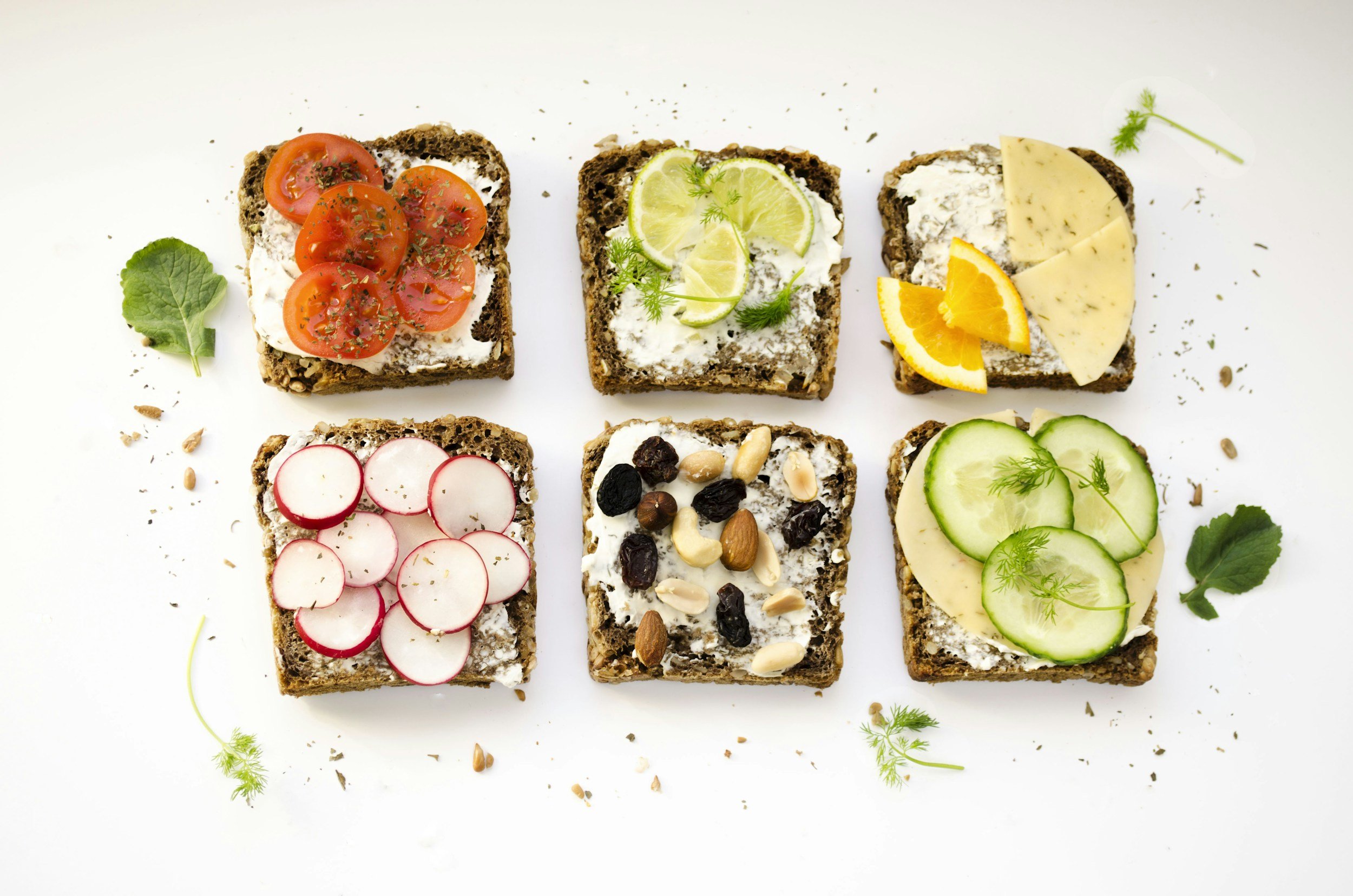
5 Snacks You Never Knew Were Healthy for You (2026 Edition)
Think healthy eating means cutting out all your favourite snacks? Think again. Dr Sara Kayat reveals five delicious treats that are surprisingly good for you — from heart-healthy dark chocolate and creamy nut butter to homemade popcorn and guilt-free chips and dips. Because wellness shouldn’t mean giving up flavour.

Health and Wellbeing Trends for 2026
From longevity obsessions to wild swimming clubs, 2026's wellness trends are a mixed bag of the brilliant and the bewildering. But behind the hype lies a sobering reality: 64.5% of UK adults are now overweight, mental health crises are worsening, and we're eating more ultra-processed foods than ever. Dr Sara Kayat separates the wellness worth trying from the trends you can skip, and reveals why the best health hack for 2026 might just be the boring basics we've been ignoring all along.

The 30-Second Habits That Counts as Exercise
If finding time for exercise feels impossible, you are not alone. Many people assume movement has to mean long workouts, yet your body benefits just as much from short bursts of activity scattered through the day. Even thirty seconds of simple movement can improve circulation, support strength and lift your energy. These tiny habits fit naturally into daily routines and make movement easier, more achievable and far less intimidating.