Worried About Nipah Virus? What Travellers Need to Know
Recent headlines about Nipah virus cases in India can feel unsettling, especially if you are planning a trip to South or Southeast Asia, or you have family living there. It is completely understandable to feel concerned when a serious infection appears in the news. This guide explains what Nipah virus is, why health authorities monitor it closely, and what practical steps travellers can take to stay safe without unnecessary anxiety.
What is Nipah virus and why does it get attention?
Recent headlines about Nipah virus cases in India can feel unsettling, especially if you are planning a trip to South or Southeast Asia, or you have family living there. It is completely understandable to feel concerned when a serious infection appears in the news. This guide explains what Nipah virus is, why health authorities monitor it closely, and what practical steps travellers can take to stay safe without unnecessary anxiety.
Nipah attracts serious attention for several reasons:
Human infections are rare, but can be severe. The reported case fatality rate in past outbreaks has often been between 40% and 75%, varying by outbreak and the availability of high-quality care.
It can cause encephalitis (inflammation of the brain), leading to confusion, seizures and coma, and it can also cause serious respiratory disease.
There is currently no licensed vaccine or specific proven antiviral treatment, so care is mainly supportive, alongside strict infection prevention and control.
Because of its severity and the potential for outbreaks, WHO lists Nipah as a priority pathogen for research and preparedness.
What is happening in India at the moment?
As of late January 2026, India has reported a small number of cases in West Bengal, with local and national public health teams responding with isolation of cases, contact tracing and testing. Reports indicate that close contacts have been identified and tested, with no evidence so far of wider spread, and WHO has assessed the risk of spread as low.
Public health responses typically include:
Isolation of confirmed cases in hospital
Active contact tracing and quarantine where appropriate
Infection prevention and control measures to protect healthcare workers
Contacts are often monitored for at least 21 days, and longer follow-up may be used depending on the situation and risk assessment. (WHO notes that while incubation is usually shorter, rare longer incubations have been reported.)
How does Nipah virus spread?
Nipah spreads in very different ways from common viruses such as seasonal influenza.
People can become infected through:
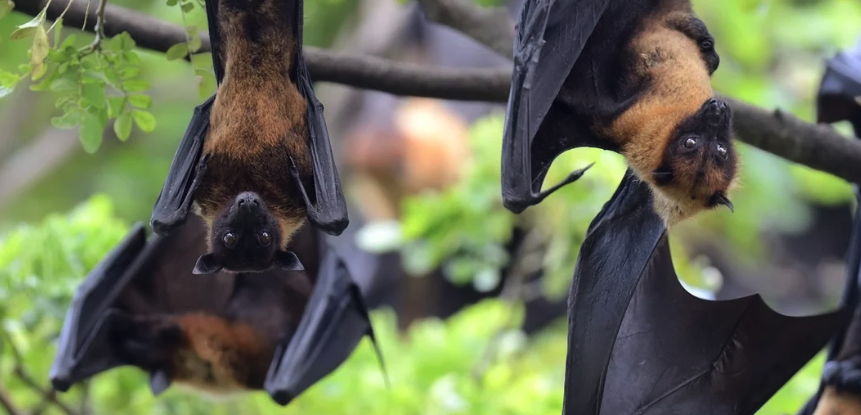
Direct contact with infected animals, particularly bats or pigs, or their bodily fluids
Eating or drinking food contaminated by bats, for example fruit or raw products contaminated with bat saliva, urine or faeces. In some settings, raw date palm sap has been linked to outbreaks
Close contact with an infected person’s bodily fluids, particularly during hands-on care, and especially where infection control measures are not in place
There is no evidence that Nipah spreads easily through casual contact in the way many everyday respiratory viruses do. Transmission is typically linked to close contact and specific exposures.
What symptoms should travellers be aware of?
The incubation period (time from infection to symptoms) is usually 3 to 14 days, but many cases present within 4 to 21 days, and rarely longer incubations up to 45 days have been reported.
Early symptoms can be non-specific and may include:
Fever
Headache
Muscle aches and marked tiredness
Nausea or vomiting
Cough or breathing difficulties in some cases
More severe illness can involve:
Confusion or altered behaviour
Seizures
Reduced consciousness or coma due to encephalitis
Some survivors can experience longer-term neurological problems, such as ongoing seizures or changes in thinking or behaviour.
I am travelling. How worried should I be?
For most travellers, the overall risk of catching Nipah virus remains very low. Outbreaks are uncommon and tend to be investigated and contained rapidly by local public health teams.
Awareness and sensible precautions are usually sufficient.
Before you travel
Check the latest travel health advice for your destination via Fit for Travel (NHS Scotland) and TravelHealthPro (UK travel health advice for the public and professionals).
Consider speaking to a travel clinic or your GP well in advance if you have long-term health conditions, are pregnant, are immunosuppressed, or are planning extended travel.
While you are there
Simple precautions can help protect you:
Be cautious with fresh produce: Avoid raw date palm sap and unpasteurized juices. Don't eat fruit that looks partially eaten or has been left uncovered where bats might have access to it. When possible, wash and peel fruit before eating.
Keep your distance from animals: Stay away from sick animals, particularly bats and pigs, and avoid contact with animal bodily fluids.
If you work with animals or in healthcare: Follow local infection control procedures and use any protective equipment recommended.
Wash your hands regularly: Use soap and water, or alcohol-based hand gel when soap isn't available.
When should you seek medical advice?
See a doctor urgently—either locally or when you're back in the UK—if you develop any of these symptoms during your trip or in the weeks after returning:
Fever along with severe headache or muscle pain
Confusion, seizures, collapse, or unusual drowsiness
Severe breathing difficulties
What to tell your doctor:
Always mention where you've travelled and whether you've had contact with animals, visited healthcare facilities, or been around anyone who was unwell. This information helps your doctor consider less common infections and get specialist advice quickly if needed.
Putting Nipah in perspective
It helps to compare Nipah with other infections you may have heard about:
Similar to Ebola: Nipah is a serious virus, but like Ebola, it mainly spreads through close contact with very sick patients and their bodily fluids—not through casual contact.
Unlike COVID-19: Nipah hasn't shown the ability to spread widely through communities. Outbreaks have remained small and contained to specific areas. While some people can be infected without symptoms, we haven't seen the kind of "silent spread" that happened with COVID-19.
The encephalitis risk: Early symptoms might feel like flu, but Nipah's ability to cause brain inflammation (encephalitis) makes it more comparable to other rare viral brain infections.
If you take one thing away from this…
Nipah virus is something health authorities monitor closely, but it shouldn't stop most people from travelling or cause undue worry. Outbreaks are rare and usually quickly identified and contained by public health teams.
What makes sense:
Get your information from reliable health sources, not sensational social media posts
Follow basic hygiene practices around food, animals, and handwashing
See a doctor promptly if you become unwell during your trip or after returning home, and be honest about where you've been
If you're feeling anxious about travelling, it's perfectly reasonable to have a chat with your GP or a travel health clinic before you go. They can talk through your specific situation and help put your mind at ease.
For more detailed information, the WHO has a comprehensive Nipah virus fact sheet available online here.