The Kitchen Label Red Flags: What to Look For (and Why It Matters)
Most of us wander into Tesco, Sainsbury’s, Aldi or Waitrose and throw the same “healthy-looking” yoghurts, breads and cereals into the trolley every week. Yet more than half of the food we buy in UK supermarkets is now classed as ultra-processed, and almost two‑thirds of adult calories come from foods that are high in fat, salt or sugar. At the same time, around two thirds- of adults in England are now living with overweight or obesity, which is one of the biggest pressures on the NHS. It’s natural; we tend to shop on autopilot. Often this is because the front of the pack tells us it is healthy, light, protein-packed or low-fat.
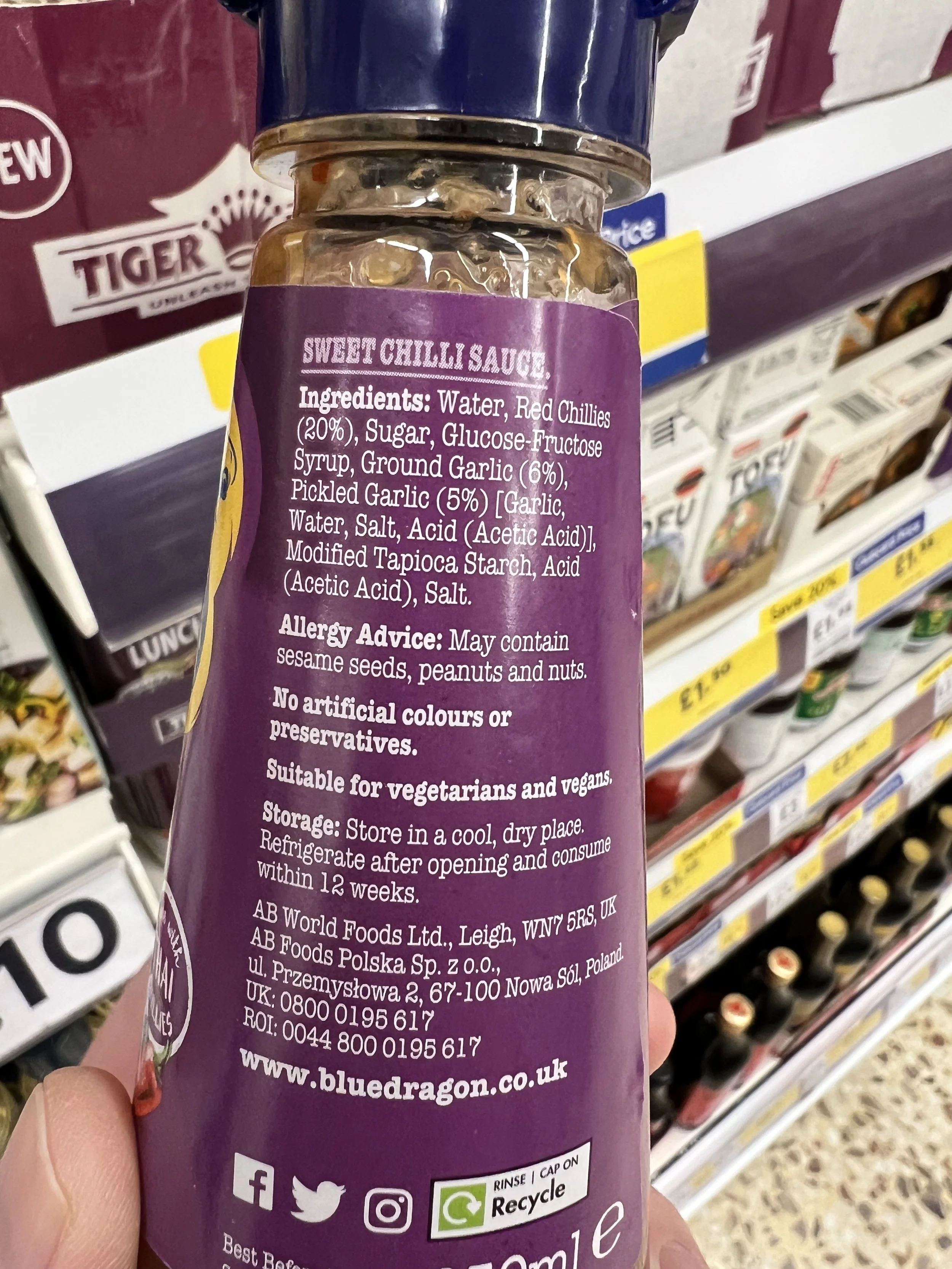
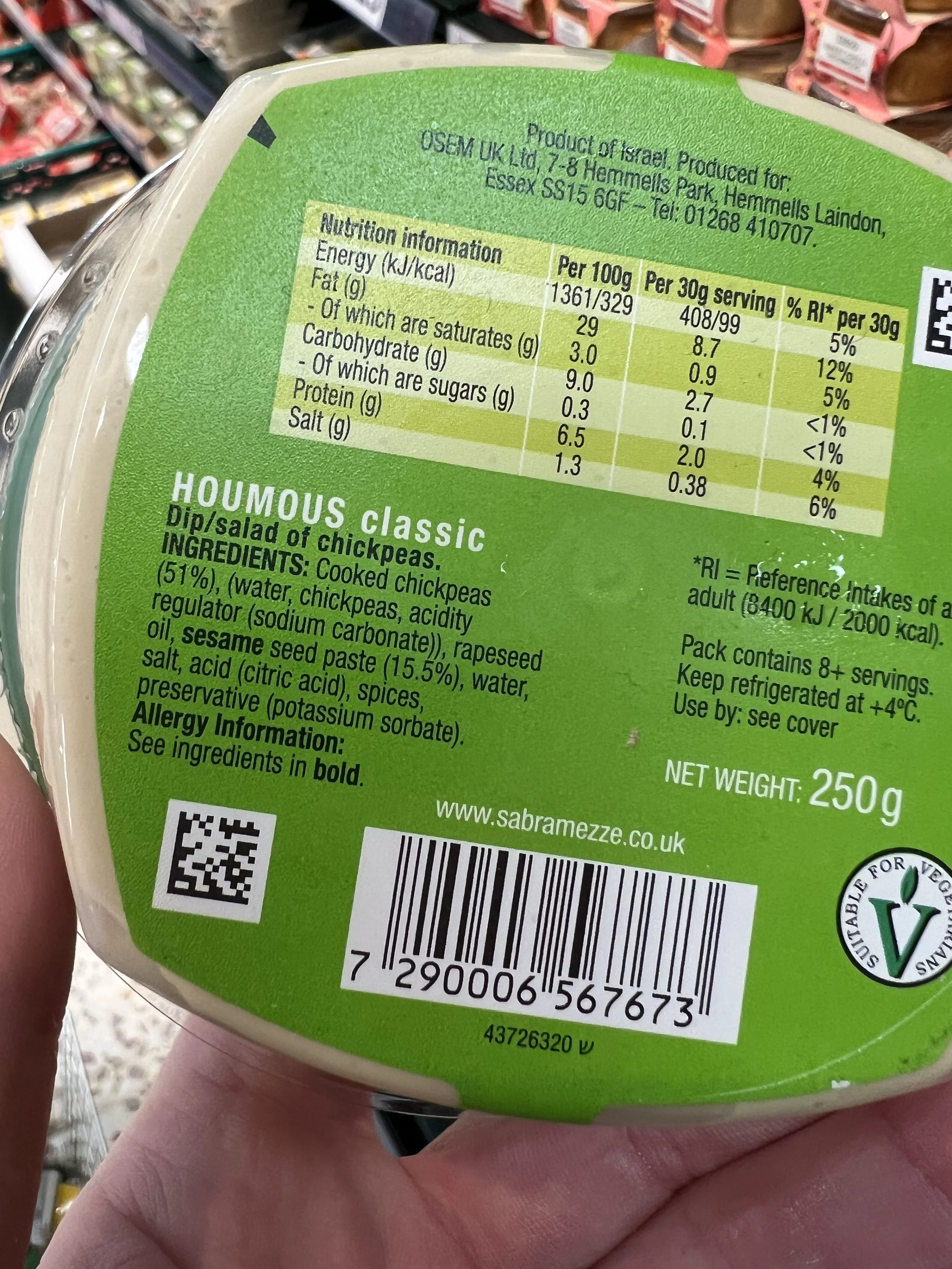

If you flip those packets over, a very different story sometimes appears.
I’m going to walk you through the everyday ingredients worth paying attention to. This is not because we need to panic about every additive. It is because understanding what is actually in our food is one of the simplest ways to support our metabolic health, energy levels, weight management and long-term wellbeing.
Why labels matter more than claims on the front
The front of a pack is marketing. The back of a pack is information. Supermarket shelves are full of products that look healthy but are often ultra-processed. These foods contain ingredients your kitchen would not normally use, such as emulsifiers, stabilisers, gums, glucose syrups and artificial sweeteners.
For some people, eating these in high amounts can make it harder to feel full, easier to overeat, and may affect gut health or blood sugar control. Although they are safe within regulated limits, they show up in so many foods that most of us end up consuming far more than we realise.
Learning to spot the patterns makes a real difference.
The big RED FLAGS to look out for
1. Sugar in the top three ingredients
This is common in foods marketed as healthy, including granola bars, yoghurts, sauces and cereals.
If sugar, glucose syrup, fructose or glucose fructose syrup appear early in the list, the product is usually much sweeter than it looks.
2. Emulsifiers and stabilisers (E numbers)
Look out for ingredients such as E471, E472e, E415 and E466, and any gums or gelling agents.
These ingredients help with texture and shelf life, but they are core markers of ultra-processed foods. They appear frequently in packaged bread, garlic bread, cookies, ready meals and spreads.
3. Long ingredient lists
A helpful rule of thumb: if the list is longer than your hand, it may be ultra-processed.
Not all long lists are bad, but when most of the items are things you would not cook with at home, it is a sign that the food is more of a product than a whole food.
4. Low-fat or light labels
When fat is removed, manufacturers often add sugar, sweeteners, or thickeners to retain flavour.
Just flip the pack over and see what has been added.
5. Plant milks with gums and emulsifiers
Almond and oat milks are popular choices, but many contain gellan gum, emulsifiers or stabilisers.
This is not a reason to avoid them completely, but it is useful to understand what you are buying.
So what should we do with this information?
This is not about cutting everything out or creating fear around food. It is about awareness.
Here is the practical approach I give to patients.
Build your kitchen around whole foods
Protein, fibre, vegetables, fruit and healthy fats naturally reduce your reliance on ultra-processed options.
Choose simpler versions when you can
For example:
Sourdough instead of packaged sliced bread
Yoghurt with a short ingredient list
Nuts or fruit instead of protein bars
Homemade garlic bread, which is easier than it sounds
Keep ultra-processed foods as sometimes foods
Biscuits, sweet sauces and certain ready meals are fine in moderation, but most people feel better when these are not daily staples.
If in doubt, flip it over
A five-second glance at the ingredients list is one of the most useful habits you can build.
The kitchen overhaul: small shifts with big impact
One lovely thing about these changes is how quickly my patients notice the benefits.
More stable energy
Fewer sugar crashes
Clearer hunger signals
Easier weight management
Better gut comfort
This is not about perfection. It is about nudging your food environment in a direction that makes life easier for you.
The contents of your food cupboard are one of the biggest levers for better metabolic health. Once you know what to look for, the whole process feels much simpler.