Fibre-maxxing explained: what the science actually tells us
For years, protein has dominated the health conversation: protein bars, protein shakes, protein‑enriched everything. The message has often been that more protein automatically means better health.
But quietly, another nutrient has been making a comeback: fibre.
Across social media, people are now “fibre‑maxxing” by adding beans, wholegrains, seeds and vegetables to just about everything. It is being treated like a new discovery, but those of us in medicine are mostly thinking, about time.
The science on fibre has been strong for decades. We have just collectively been distracted by newer nutrition trends.
How did we get here?
In the UK, adults are advised to eat around 30 grams of fibre a day, according to NHS guidelines. Yet data shows about 9 in 10 adults fall short, averaging only 18 grams daily.
That is like ordering a full meal and leaving half behind.
Over time, ultra‑processed foods, refined grains and convenience meals have quietly nudged out the beans, lentils, vegetables and wholegrains that used to fill our plates. The result is a national fibre gap and a long list of missed health gains.
Fibre: not just roughage
Fibre was once seen as the stuff that keeps things moving. Now we know it acts more like a multitasking support system, keeping several parts of the body running smoothly.
Different types of fibre do different jobs:
Some are fermented by gut bacteria, helping maintain a healthy and diverse microbiome.
Others add bulk, improving digestion and regularity.
Certain fibres slow the absorption of sugars and cholesterol, smoothing out post‑meal spikes.
And the benefits are significant. A Lancet review of over 240 studies found that people who eat high‑fibre diets have a 15–30% lower risk of heart disease, stroke, type 2 diabetes and colorectal cancer. Even small changes make a difference. Adding 7 grams of fibre a day (about a portion of beans or two slices of wholemeal bread) may reduce cardiovascular risk by roughly 9%.
What people notice first
Patients often tell me they can feel the difference once they start eating more fibre.
Common early benefits include:
More stable energy levels.
Feeling fuller between meals.
Better bowel habits.
Gradual improvements in cholesterol and blood sugar results.
There is also growing interest in the gut‑brain axis, the ongoing link between digestion and mood. Early research suggests that the fibres which feed friendly gut bacteria may also influence mental wellbeing. This might explain why some people notice both physical and emotional benefits.
Is more always better?
Not instantly.
Increasing fibre too quickly can lead to bloating or discomfort, especially if you are not drinking enough fluids. Certain conditions, including irritable bowel syndrome with fibre sensitivity, some inflammatory bowel diseases, or recent gastrointestinal surgery, may require personalised medical advice before increasing fibre.
If you are unsure, check with your GP or dietitian before making large changes.
A sensible, food‑first approach
There is no need to start buying powders or bars. Many so‑called fibre hacks rely on isolated fibre supplements, which do not always deliver the same benefits as whole foods and can add unwanted calories, sugars or additives.
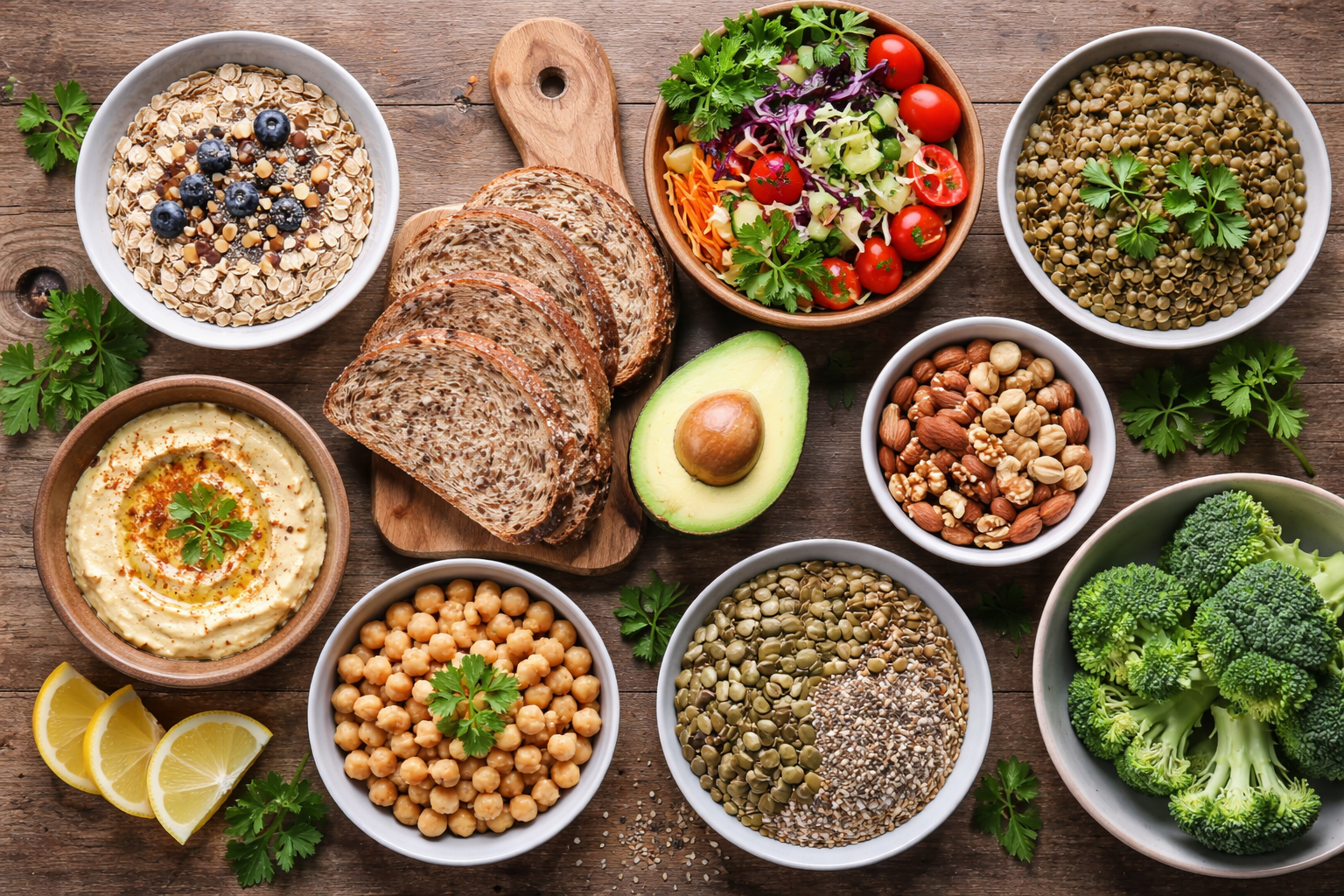
Most people can reach their fibre goals by focusing on real food:
Choose wholegrain or seeded bread, rice or pasta.
Add lentils or beans to the meals you already enjoy.
Snack on nuts, fruit or vegetables instead of crisps or bars.
Keep the skins on where you can; your gut loves a bit of peel.
Slow and steady changes work better than quick fixes.
Fibre, protein and balance
Just because fibre is having its moment does not mean protein is out. Balance is key. The issue is that modern, protein‑heavy diets can quietly crowd out fibre‑rich foods.
A plate with plenty of plants, pulses and wholegrains alongside good protein will do more for your health than expensive powders or shakes.
Fibre: the comeback hero
Fibre never really left. It just fell out of fashion. The good news is that it is back, supported by solid science.
If this renewed interest leads people to eat more real food and rely less on ultra‑processed options, that is progress worth celebrating.
Just increase it gradually, drink enough water, and expect your gut microbes to thank you, perhaps with a quiet fanfare at first.
General information only. For personalised advice, please consult your GP or healthcare professional.