Yes, I've Had Patients Ask Me About Hantavirus This Week. Here's What I'm Telling Them
You might have seen the headlines about hantavirus this week and felt that familiar knot of health anxiety tighten in your chest. A cruise ship. Multiple countries. Three deaths. The WHO is getting involved. I completely understand why people are worried. But as an NHS GP, my job is to give you the accurate picture rather than let anxiety fill in the gaps. So let me do exactly that.
What is hantavirus, and where does it come from?
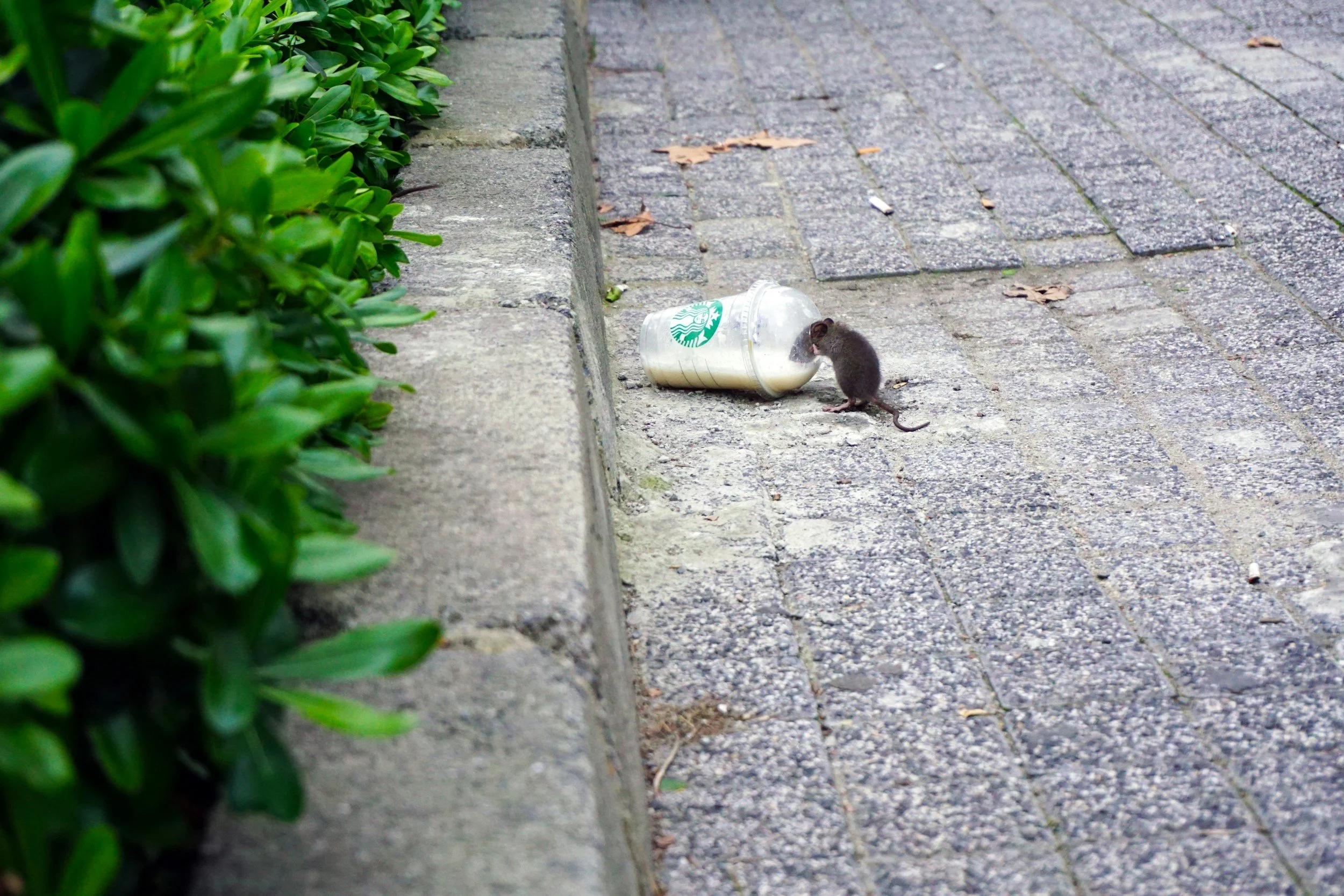
Hantaviruses are not new. They are a family of viruses carried by rodents, including mice, rats and voles, and they have been circulating globally for decades. People usually become infected by breathing in air contaminated with virus particles from rodent urine, droppings or saliva. In other words, this is fundamentally a rodent-borne illness, not something that spreads the way flu or Covid does.
There are many different strains of hantavirus around the world, and they cause different types of illness depending on which part of the globe you are in. Hantaviruses found in Europe and Asia are known to cause haemorrhagic fever with renal syndrome, whilst those found in North, Central and South America can cause hantavirus cardiopulmonary syndrome. The strain making the news right now is called the Andes virus, and it comes from South America.
So what exactly happened on the cruise ship?
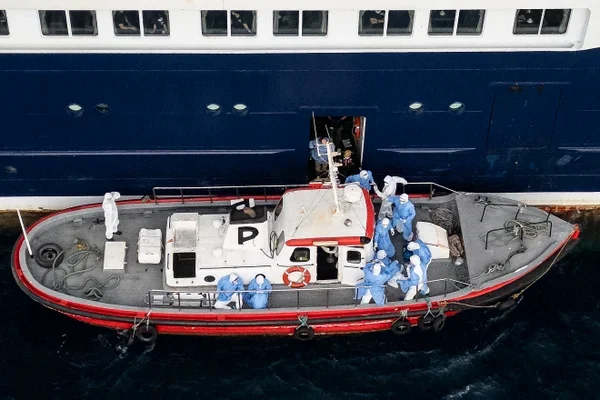
On 2 May 2026, the WHO was notified of a cluster of severe acute respiratory illness among passengers and crew of a cruise ship in the Atlantic Ocean. The cruise ship had departed from Ushuaia, Argentina, on 1 April 2026 and travelled across the South Atlantic, stopping at several remote locations including Antarctica, South Georgia Island and Saint Helena.
As of 11 May, seven cases of hantavirus had been confirmed, with two additional probable cases awaiting laboratory results. There have been three deaths. This is genuinely serious, and my heart goes out to those families.
The working hypothesis, based on current investigations, is that the first patient most probably acquired the infection before boarding through environmental exposure during activities he conducted in Argentina, with subsequent human-to-human transmission occurring onboard.
Why is this strain particularly notable?
Most hantavirus strains do not pass between people at all. The Andes virus is the only known hantavirus to spread between humans. But this needs important context. Human-to-human transmission of hantavirus is rare and requires prolonged close contact with a visibly unwell person. It does not spread through casual contact, shared air in an office, or sitting near someone on public transport.
That distinction matters a great deal when you are trying to assess your actual risk.
What is the risk to people living in the UK?
This is the part I really want you to sit with. Although hantavirus is a serious infection, the risk to the wider UK population is very low. Hantavirus is not spread through everyday social contact, such as walking in public spaces, shops, workplaces, or schools.
The only strain ever identified in the UK is Seoul hantavirus, which does not transmit person to person. The Andes virus is typically associated with South American rodent species that are not found in the UK, and the Andes virus has never been seen in the UK rodent population.
In a press conference on 7 May 2026, the WHO reassured that this is not the start of another pandemic. The global risk assessment from the WHO remains low.
How has the UK Government responded?
Thoroughly and proportionately, which is reassuring to see. British nationals arrived from Tenerife at Manchester Airport on 10 May on a dedicated flight, with strict infection control measures in place throughout the journey. The passengers were then transferred by private coach to an isolation facility at Arrowe Park Hospital on the Wirral, where they are undergoing clinical assessment and testing. Passengers will isolate for 45 days from their last exposure, with regular testing and care provided by UKHSA and the NHS.
During the ship's stop at Saint Helena, 30 passengers disembarked, all of whom have been contact-traced by the UK Health Security Agency.
This is textbook outbreak management. Identify, isolate, trace, monitor. The system is doing what it is designed to do.
What are the symptoms I should know about?
For completeness, here is what hantavirus can look like clinically. Early symptoms can include headache, fever, muscle ache or back pain, nausea or vomiting, diarrhoea and loss of appetite. Symptoms can quickly worsen, and cough, shortness of breath, chest pain or tightness, and difficulty breathing may occur.
Symptoms of the cardiopulmonary form typically occur from two to four weeks after initial exposure to the virus, though they may appear as early as one week and as late as 45 days following exposure.
There is currently no licensed vaccine or specific antiviral treatment. Early supportive care is critical even before the diagnosis is confirmed. In severe cases, extra-corporeal membrane oxygenation can significantly improve survival if started early.
Do I need to do anything differently right now?
For the vast majority of people reading this: no. If you are not a passenger who was on this cruise ship, and you have not had close, prolonged contact with anyone who was ill on board, your risk is extremely low.
That said, there are some sensible general hygiene habits worth keeping in mind when it comes to rodents, wherever you are in the world:
If you find rodent droppings or a nest in your home or garden, do not dry sweep or vacuum the area. Dampen the contaminated material with water or a disinfectant solution before cleaning, to avoid stirring up dust, then use disposable gloves, a mask and eye protection. This is good practice regardless of any current outbreak.
If you keep pet rats or mice, UKHSA guidance on reducing the risk of infection from pet rodents remains unchanged, and there is no reason for concern beyond following standard hygiene advice.
When should you contact a doctor?
If you were on the MV Hondius or have had close contact with a confirmed case, you should already be in contact with the UKHSA, who will be guiding your next steps.
For everyone else: if you have had significant contact with rodents and feel unwell with flu-like symptoms, seek medical advice. You can contact NHS 111 for guidance, or speak to your GP if symptoms persist or worsen. As always, trust your instincts. If something feels wrong, reach out.
The bottom line
Headlines move fast, and nuance rarely makes the front page. What I can tell you, with confidence and based on the latest guidance from the UKHSA, NHS and WHO, is this: the risk to people in the UK going about their daily lives is very low. The public health response has been swift, proportionate and transparent. The Andes virus does not behave like Covid or flu. It does not spread easily, and it is not circulating in UK rodent populations.
This is a situation that deserves to be taken seriously by the authorities, and it is. It does not need to be a source of personal fear for the overwhelming majority of us.
Stay informed through official sources; the UKHSA website and NHS.uk are updated regularly. And as ever, if you have questions or concerns about your own health, please do speak to your GP.