5 Snacks You Never Knew Were Healthy for You (2026 Edition)
There's been a complete revolution in how we think about snacking. Gone are the days when a snack was just something to tide you over between meals. In 2025, 34% of Europeans are using snacks as meal replacements, and we're all getting much savvier about what we're putting in our mouths between breakfast, lunch and dinner.
The healthy snacking market is booming, with an 18.4% year-over-year sales increase forecast into 2026. But here's the thing: whilst protein bars and kale chips have their moment in the spotlight, some of the most surprisingly healthy snacks are hiding in plain sight, often masquerading as treats. So before you reach for another expensive superfood snack, let me tell you about five everyday options that are far healthier than you might think.
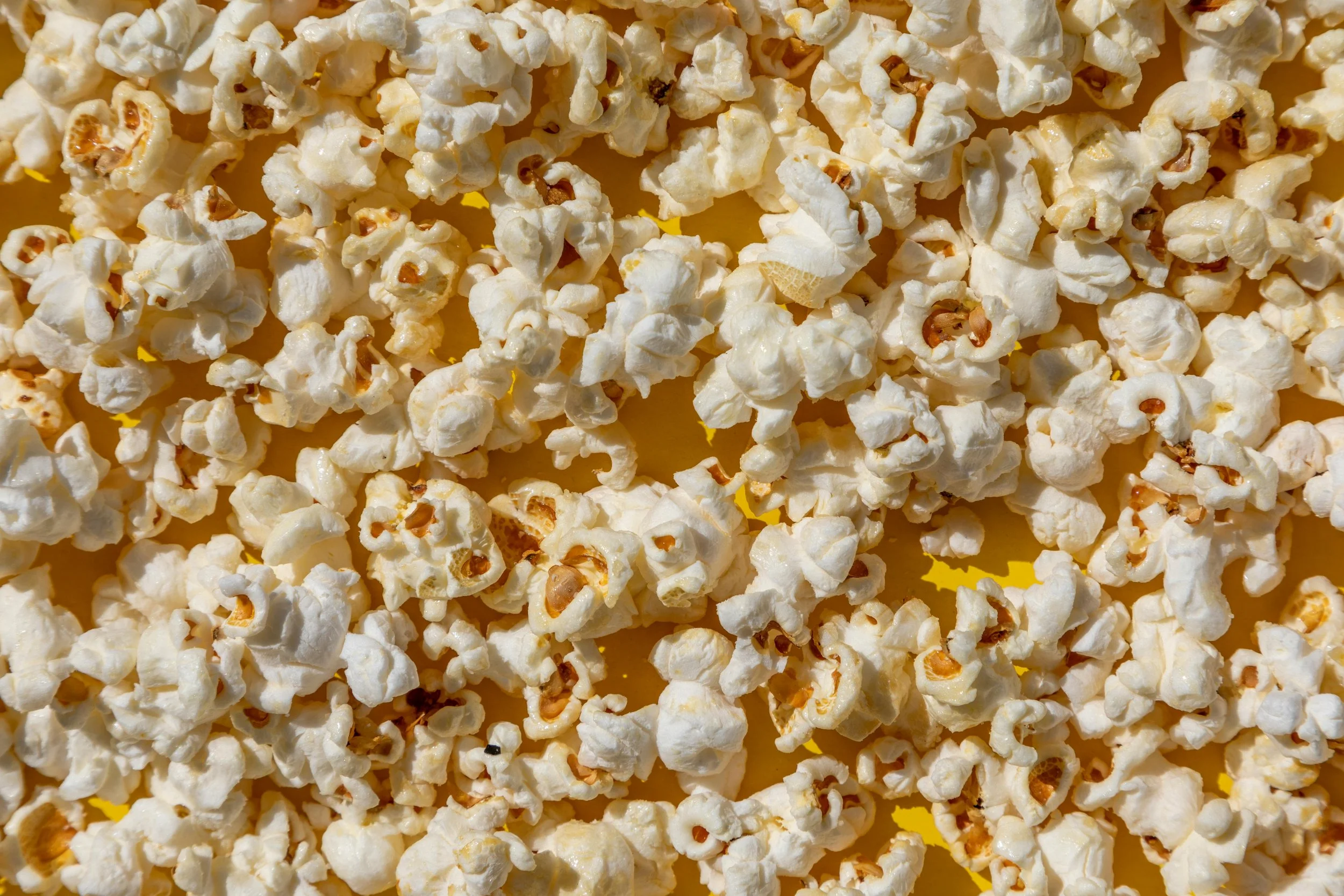
Light, crunchy and full of fibre, air-popped popcorn is a healthier take on a classic snack when you keep the toppings simple.
Air-Popped Popcorn
This cinema staple has had a serious glow-up. When you ditch the butter-drenched multiplex version and make it at home, popcorn is essentially puffed whole grain goodness. It's high in fibre (which 91% of us aren't getting enough of), low in calories, and incredibly satisfying to munch on.
My hot take: As we move into 2026, the focus on fibre has gone mainstream as an accessible, essential nutrient. Three cups of air-popped popcorn gives you nearly 4g of fibre and only about 90 calories. The key is seasoning it yourself. Try nutritional yeast for a cheesy flavour, smoked paprika for depth, or a sprinkle of cinnamon and a tiny drizzle of honey for something sweet. Just watch your portion sizes. Even healthy snacks can derail your goals if you polish off an entire mixing bowl whilst watching Netflix.
Dark Chocolate
Yes, chocolate makes the list, but there are some very important caveats. We're talking proper dark chocolate here, ideally 70% cocoa or higher, and we're talking about an ounce a day maximum, not an entire family-size bar in one sitting.
My hot take: Dark chocolate is rich in flavanols, plant compounds that have been linked to improved heart health by helping to lower blood pressure and improve blood vessel function. It also contains minerals like iron, magnesium, and zinc. The tryptophan in chocolate may even boost your mood by encouraging serotonin production. But here's the reality check: chocolate is still calorie-dense, and milk chocolate doesn't count. The higher sugar and lower cocoa content in milk chocolate means you miss out on most of these benefits. If you're going to indulge, make it count. Choose quality over quantity, savour it slowly, and stop at a square or two.
Nut Butters (The Good Ones)
The nut butter aisle has exploded. You can now get everything from classic peanut to trendy pistachio butter. But not all nut butters are created equal, and this is where label reading becomes crucial.
My hot take: The best nut butters have one ingredient: nuts. Maybe a pinch of salt. That's it. No palm oil, no added sugar, no mysterious stabilisers. When you get the good stuff, you're getting healthy fats, protein, fibre, vitamins, and minerals including those all-important omega-3 fatty acids. Studies have linked nut consumption to reduced risk of heart disease, type 2 diabetes, and certain cancers. Despite being high in calories, research suggests that when eaten in moderation, nuts and nut butters don't lead to weight gain and may even support weight loss by keeping you fuller for longer. My go-to healthy snack? Almond butter on apple slices or stuffed into a Medjool date. Just remember: a serving is about two tablespoons, not half the jar with a spoon whilst standing at the kitchen counter at 10pm. Not that I would know anything about that.
Roasted Chickpeas and Other Pulse-Based Snacks
Bean-based snacks are surging in popularity, with options like lentil chips and chickpea crackers providing high-protein alternatives to traditional crisps. Roasted chickpeas in particular have become the darling of the health food world, and for good reason.
My hot take: Chickpeas are nutritional powerhouses. They're packed with plant-based protein (about 7g per half cup), fibre (6g in the same serving), and important nutrients like folate, iron, and magnesium. You can buy them pre-roasted with various seasonings, or make them yourself at home. Drain and dry a tin of chickpeas, toss with a little olive oil and your chosen spices (I love smoked paprika and garlic powder), then roast at 200°C for 20-30 minutes until crispy. They satisfy that crunchy, salty craving but actually provide sustained energy rather than a blood sugar spike and crash. The protein and fibre combo means you'll feel satisfied, not searching for your next snack ten minutes later.
Greek Yoghurt with Berries
I know, I know. This one sounds too obvious to be a revelation. But hear me out, because most people aren't maximising the potential here.
My hot take: Protein continues to be a powerhouse in functional snacking, with searches up 99.2% year-over-year, and one in three US consumers increasing their protein intake over the past year. Greek yoghurt delivers serious protein (around 15-20g per serving, depending on the brand), probiotics for gut health, calcium for bones, and B vitamins. The berries add fibre, antioxidants, and natural sweetness without the blood sugar spike of added sugars. Here's my hack: buy full-fat Greek yoghurt, not the fat-free versions loaded with sugar to compensate for lost flavour. The fat helps you absorb fat-soluble vitamins and keeps you satisfied. Add frozen berries (just as nutritious as fresh and often cheaper), a sprinkle of seeds for extra omega-3s, and if you need more sweetness, a tiny drizzle of honey. This isn't just a snack; it's practically a meal, and it'll keep you going for hours.
The 2026 Reality Check
As we head into 2026, people are no longer satisfied with one-dimensional products. They're seeking balance over excess, comfort alongside novelty, and functionality combined with sensory experiences. What does that mean for your snacking? It means permission to enjoy food that tastes good whilst also nourishing your body.
The snacks I've listed here aren't trendy superfoods that'll cost you a fortune or require a trip to a specialist health food shop. They're accessible, affordable options that happen to pack a nutritional punch. According to recent surveys, 96% of global consumers are engaging in mindful snacking behaviours, and 79% appreciate snacks more when consumed mindfully. That's the real secret: not what you're eating, but how you're eating it.
So yes, snack away. Just make sure you're actually hungry, choose options with some nutritional value, watch your portions, and for goodness' sake, sit down and enjoy it rather than mindlessly munching whilst scrolling through your phone. Your body (and your relationship with food) will thank you.